

McCullagh Research Group
Chemistry Research Laboratory, University of Oxford
Website in development: Content is accurate, but formatting is still being refined and some links may not yet work as expected
Transcriptomics
Research template
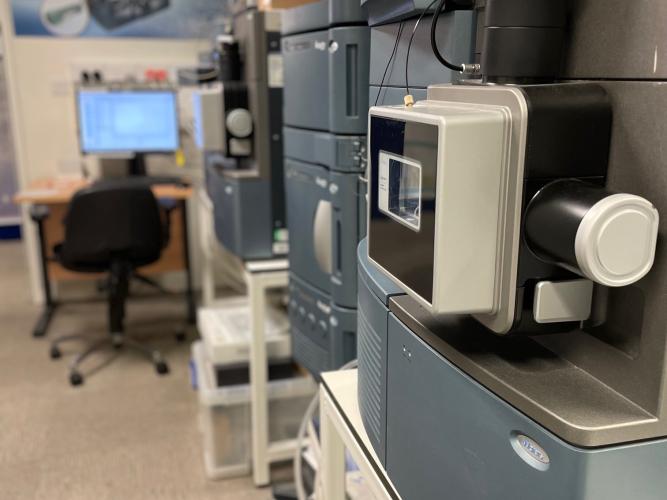
Our environmental and archaeological research involves the application of mass spectrometry and separation science approaches to identify a wide range of biomarkers. We have developed new methods for compound-specific stable isotope analysis and applied these in a range of areas including palaeodietary reconstruction, plant proteomics and aquatic biology. We have also been involved in developing new methods for compound-specific radiocarbon dating in particular applied in archaeology where our methods for hydroxyproline dating have helped secure the earliest dates for human occupations and migration in Europe. We also continue to explore the chemistry of artefacts through residue analysis, particularly using 'omics' techniques providing evidence for material use and manufacture.
Compound-specific radiocarbon dating
blah blah blah
Stable isotopes in the environment
Residue analysis
The study of organic residues as biomarkers in archaeology is predicated on the recovery and identification of molecular markers for biomaterials known to have been used in the past. These markers are often found degraded due to chemical breakdown and/or microbial activity and have traditionally focused on interpreting a material's usage or origins. For example, the recovery of lipid residues in pot sherds have been used to identify usage. Modern mass spectrometry techniques provide a wealth of opportunities for residue analysis; in particular 'omics' techniques, including proteomics and metabolomics.
Image
|
Image
|
Image
|
|---|